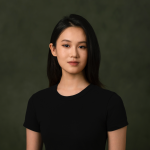
Kristopher Yizhen Shi’s playful and unconventional designs range from skirts made from pillowcases to purses designed to hold a baguette. When he first introduced his fashion brand, Possiblyprobablyperhaps (PPP), as part of his thesis project at NYU Tisch, he saw it more as a creative exploration than a commercial venture. One year later, he still feels the same way. Working from his apartment in Los Angeles with a two-person team, Shi lets art, humor, and absurdity drive the creative process. “I want each project to feel like an experiment, not a commercial product,” Shi says.
Shi initially considered launching PPP in China but worried that the “fast fashion” tactics of the competition would make it too challenging. Chinese fashion giants, such as Shein, have mastered agile production cycles, enabling them to produce affordable, trend-driven products at an unmatched pace, according to a report by BOF and McKinsey.
“Fast fashion has an easier time catching the trends in China because they are able to react more quickly, whereas the traditional planning for seasons is too slow for changes,” says Renee Hartmann, founder of CLA. The adaptability of fast-fashion brands in China creates significant barriers for smaller, storytelling-driven brands like Shi’s, which prioritize creativity and sustainability over speed.
But in the U.S., according to a 2020 McKinsey report, “slow fashion” is the growing trend, with consumers favoring intentional and more sustainable purchases over cheap, disposable styles. Shi feels that PPP is more at home in the U.S., with his brand identity rooted in concept-driven projects that blend fashion with art. “Fashion should provoke thought, not just sell dreams,” Shi says.
While China’s approach aligns with the preferences of consumers seeking affordable fashion that reflects social status, it creates significant barriers for small brands like Shi’s, which focus on storytelling and creativity. Platforms such as Taobao and Douyin livestreams dominate China’s market, emphasizing convenience and fleeting trends over brand identity.
“E-commerce and livestreaming have facilitated the idea of trendsetting,” explains Peter Wu, CEO and founder of Xavvi. “Brands and suppliers now focus on creating a single viral item, only to abandon it soon after. Consumers prioritize the trustworthiness of famous influencers and their livestreams rather than the brand itself.”
The reliance on influencer-driven trust and rapid product turnover challenges smaller, story-focused brands to compete in an environment increasingly defined by speed and fleeting trends.
Fast fashion exists in the United States too, with brands such as Forever 21 and Fashion Nova mass-manufacturing affordable, trend-driven clothing. But overall, Shi finds that the U.S. market is more welcoming to small, avant-garde brands, with consumers more often favoring authenticity, sustainability, and meaningful brand narratives. “American consumers care about the story behind the brand,” says Shi.
Not only is “fast fashion” more difficult to break into, it also comes with significant environmental impacts, contributing to pollution, resource depletion, and textile waste. In the U.S., according to a United States Environmental Protection Agency report, 11.3 million tons of textiles ended up in landfills in 2018, which was the most recent year that the agency captured statistics. But the scale of the problem is enormous in China, where 26 million tons of clothes, mostly made of unrecyclable synthetics, are dumped in landfills every year, according to a 2024 AP report.
These environmental impacts fuel an ongoing debate within fashion markets, as brands and consumers alike grapple with balancing affordability and sustainability goals. The juggling act has long been visible in the U.S., where brands like Patagonia and Everlane prioritize sustainability by using recycled materials and reducing production waste.
Environmental awareness is also growing in China, where sustainable fashion brands like ERDOS, a leading cashmere producer, have partnered with The Good Cashmere Standard to ensure ethical treatment of goats and sustainable pasture management.
Shi considers sustainability a cornerstone of PPP’s brand identity. To avoid waste, he prioritizes using surplus materials from large factory orders, giving new life to leftover fabrics through innovative design. After seeing piles of discarded scraps at a bedding factory, for example, he began repurposing the remnants into reusable fabric pouches. Each pouch is distinct, offering customers a sustainable, one-of-a-kind product while cutting down on unnecessary shipping weight and waste.

Kristopher Yizhen Shi’s Reusable Pouch
As a young designer crossing cultural borders, Shi recognizes the value of storytelling, and the U.S. market has given him the freedom to explore his wild ideas. He often collaborates with niche retailers such as Bungee Space in New York to create storytelling-driven retail experiences. He is also planning offline collaborations with local bakeries and wine bars, integrating his designs into everyday community spaces. “I want our products to be part of people’s daily lives, not just objects on a shelf,” Shi says.
For Shi, dwelling on the metrics is tempting but counterproductive. “There are days I constantly check views, likes, and traffic,” he says. “But once I started to focus on brand narratives, those metrics began to grow.”
Even as he navigates the dual roles of artist and entrepreneur, Shi admits, “I still view myself more as an art student.” He is eager to expand PPP’s presence in the U.S. market with his unique stories. He says financial success was never his motivator, but it’s starting to happen organically. “I’m doing crazy things I never imagined working on in the Chinese fashion market—and making a profit,” he says proudly.
His next project? Turning bedding linens into clothes.